About Me
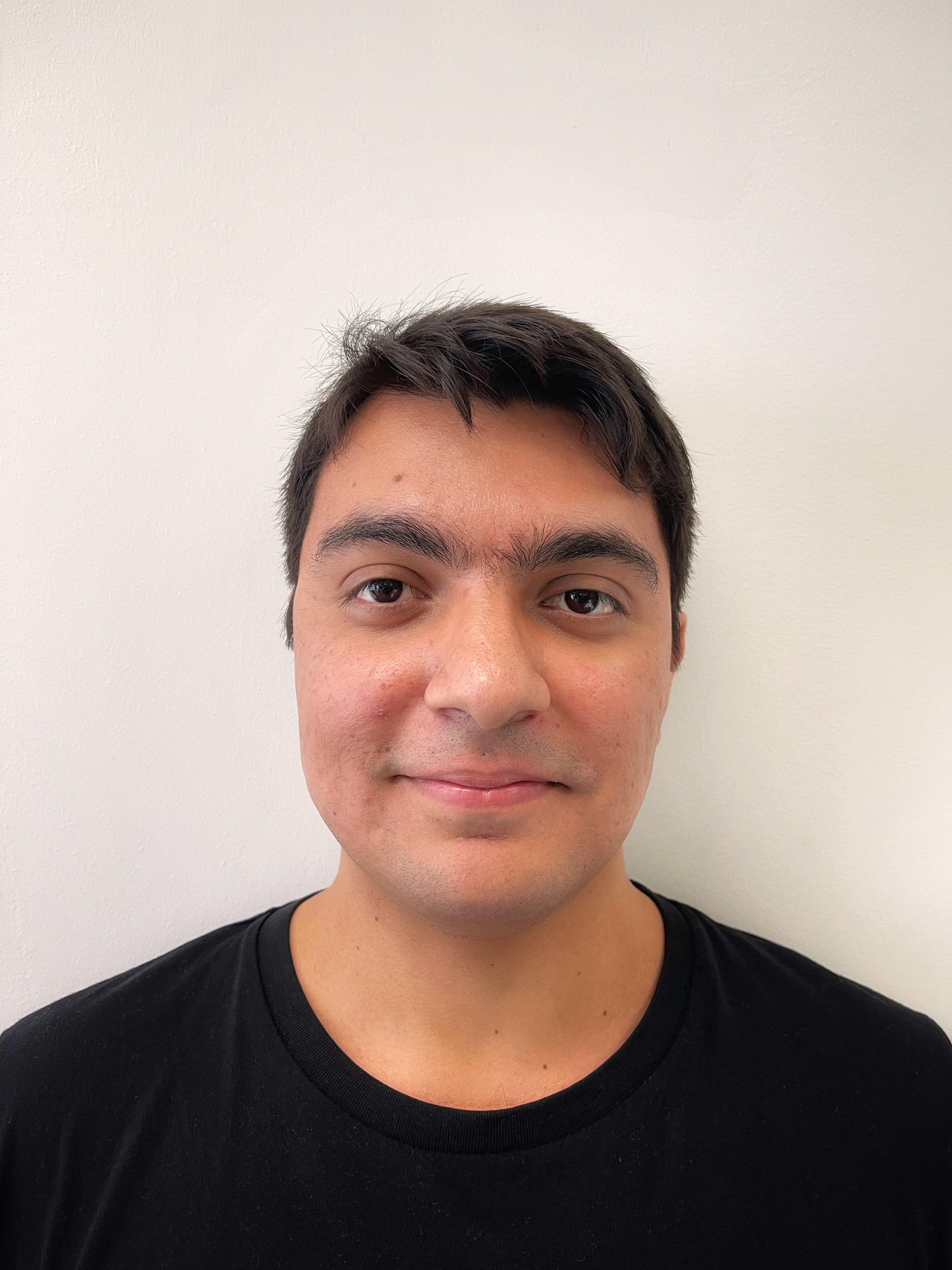
Education: I have a Physics degree from the University of Guanjuato and a Master's degree in Science (Astrophysics) from the Astronomy Department of the same University. I recently completed my PhD in Astrophysics. It took place in two different institutions: the Laboratoire d'Instumentation et de Recherche en Astrophysique (LIRA) at the Meudon site of Paris Observatory and the Max-Planck-Institut für Sonnensystemforschung (MPS) in Göttingen.
Research Interests: I am interested in exoplanet discovery and characterisation. My PhD work was focused on the use the so called double aperture photometry for correctly discarding false planetary transits for the PLATO space mission.
Current Interests: I am currently looking for data science opportunities in the industry. I am particularly interested in applying my skills in data analysis, machine learning, and statistical modeling to solve real-world problems. I am open to roles that allow me to leverage my expertise in Python, R, and SQL for data-driven decision-making. I am also interested in exploring my creative side through writing, wether it be blogs, poetry or fiction. I love journaling and reading
Publications: Here is an ADS link with all my (academic) publications so far!